Contact
A simple supporting note for safer document disposal routines.
Contact
Email: editorial@confetticabinet.com
This static mini-site does not list a phone number or physical address.
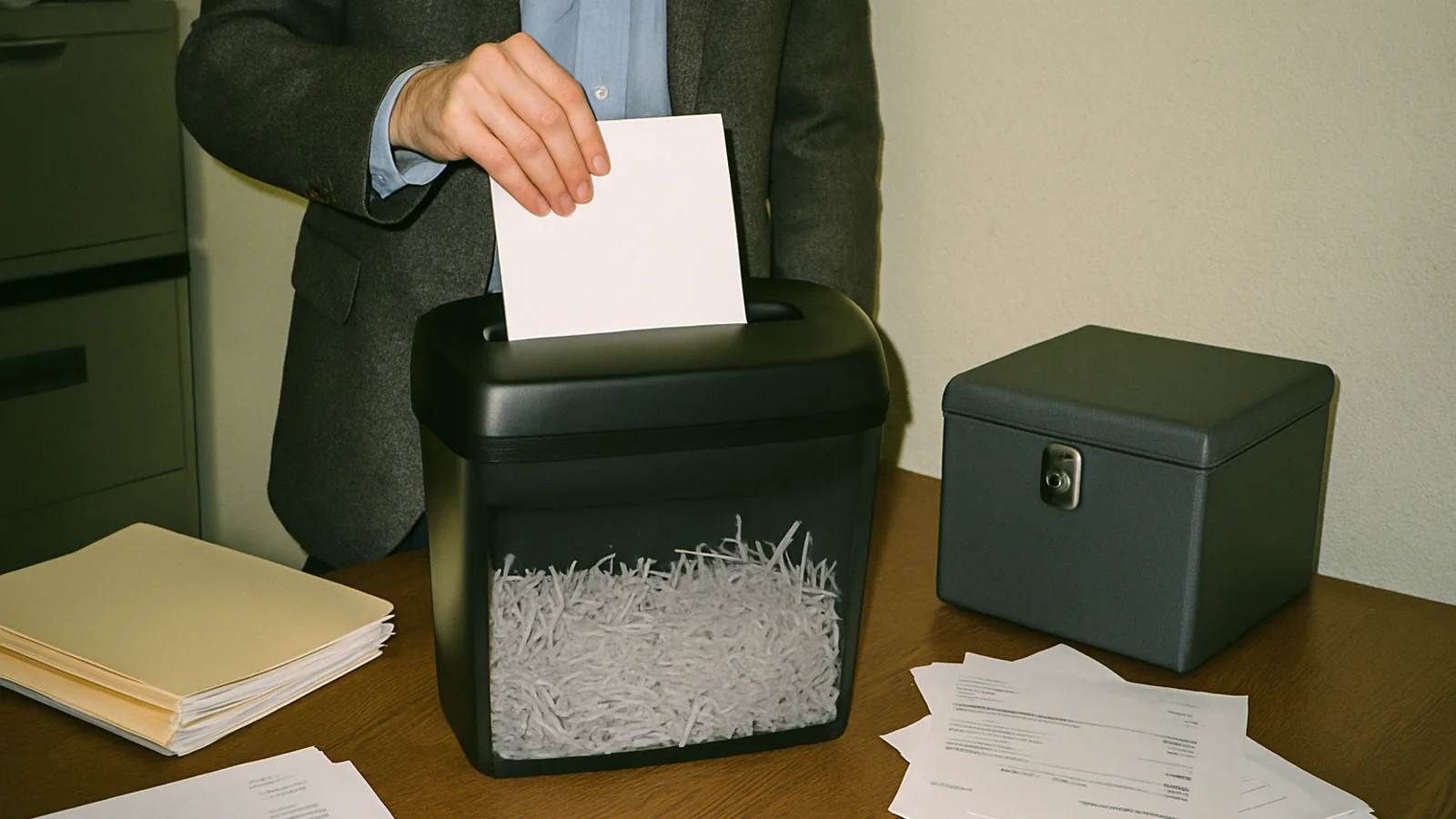
I like to judge contact by the pile people usually postpone: old statements, client drafts, marked-up forms, shipping labels, and notes with personal details. A good shredder makes that pile boring enough to handle on schedule.
1. Start with the document risk
For contact, start with the documents and the people using the machine. A shared office needs simple rules, a visible bin routine, and capacity that matches real batches instead of the optimistic number on a product photo.
In a plausible desk routine, I would keep a small tray labeled “shred,” empty the bin before it becomes packed, and remind users that staples, clips, and thick folded packets can turn a quick job into a jam.
2. Match cut type to the material
For contact, start with the documents and the people using the machine. A shared office needs simple rules, a visible bin routine, and capacity that matches real batches instead of the optimistic number on a product photo.
In a plausible desk routine, I would keep a small tray labeled “shred,” empty the bin before it becomes packed, and remind users that staples, clips, and thick folded packets can turn a quick job into a jam.
3. Respect sheet limits and run time
For contact, start with the documents and the people using the machine. A shared office needs simple rules, a visible bin routine, and capacity that matches real batches instead of the optimistic number on a product photo.
In a plausible desk routine, I would keep a small tray labeled “shred,” empty the bin before it becomes packed, and remind users that staples, clips, and thick folded packets can turn a quick job into a jam.
4. Make the disposal station obvious
For contact, start with the documents and the people using the machine. A shared office needs simple rules, a visible bin routine, and capacity that matches real batches instead of the optimistic number on a product photo.
In a plausible desk routine, I would keep a small tray labeled “shred,” empty the bin before it becomes packed, and remind users that staples, clips, and thick folded packets can turn a quick job into a jam.
5. Plan care before a jam appears
For contact, start with the documents and the people using the machine. A shared office needs simple rules, a visible bin routine, and capacity that matches real batches instead of the optimistic number on a product photo.
In a plausible desk routine, I would keep a small tray labeled “shred,” empty the bin before it becomes packed, and remind users that staples, clips, and thick folded packets can turn a quick job into a jam.
6. Avoid the common shredder traps
For contact, start with the documents and the people using the machine. A shared office needs simple rules, a visible bin routine, and capacity that matches real batches instead of the optimistic number on a product photo.
In a plausible desk routine, I would keep a small tray labeled “shred,” empty the bin before it becomes packed, and remind users that staples, clips, and thick folded packets can turn a quick job into a jam.
7. Use a final confidentiality checklist
For contact, start with the documents and the people using the machine. A shared office needs simple rules, a visible bin routine, and capacity that matches real batches instead of the optimistic number on a product photo.
In a plausible desk routine, I would keep a small tray labeled “shred,” empty the bin before it becomes packed, and remind users that staples, clips, and thick folded packets can turn a quick job into a jam.
Bottom line
The right cross-cut shredder is less about dramatic power and more about a repeatable disposal habit that people actually follow.
FAQ
Why choose a cross-cut shredder?
Cross-cut shredders reduce pages into smaller pieces than strip-cut models, which is usually more appropriate for confidential office and household documents.
What documents should be shredded?
Old bills, statements, drafts with client details, shipping labels, forms, and outdated records with personal or business information are common candidates.
Does security level matter?
Yes. Higher-security cuts create smaller pieces, but capacity, run time, and daily convenience also matter.
How do I avoid shredder jams?
Respect sheet limits, remove thick clips, feed paper squarely, empty the bin, and follow manufacturer oiling guidance when applicable.
What size bin should I choose?
Choose a bin large enough for the people using it. Too-small bins create mess and skipped shredding routines.
Can a home office use the same checklist?
Yes, but home offices may prioritize quiet operation, small footprint, and safe placement around children or pets.
Main shredder guide
Use the cross-cut shredder briefing as the hub while comparing capacity, cut type, and disposal habits.